“A cat with nine lives,” says marie claire’s fashion director, Naomi Smith, when she’s asked to describe her career in five words. Name a magazine, and chances are Smith has styled its fashion pages. She’s worked under countless editors and in more than a handful of fashion cupboards; she’s been made redundant and bounced back; she spent years working overseas, only to come back to Australia to be sent on endless international photoshoots.
She’s seen Australia’s luxury fashion industry go from being almost non-existent to becoming a major player on the global stage; and she’s retained a love of print in a world that’s become exceedingly digital.
From spending her twenties experimenting with fashion to making her way to the top of the luxury magazine world – stopping only briefly to have two children – Smith has expertly navigated her way through three decades in a famously ruthless industry with flair, grit and – of course – a perfectly styled outfit.
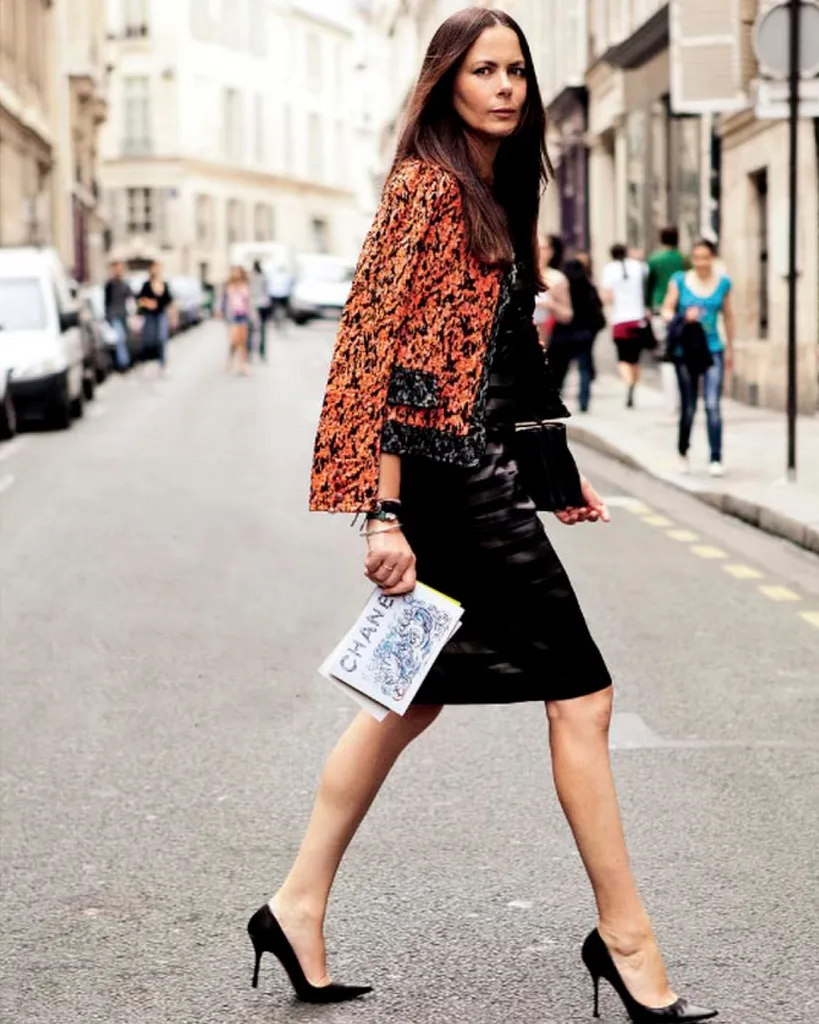
It’s a dream job, one that many would kill to have, and she feels incredibly lucky and grateful every day to still be able to do what she loves. And isn’t that the ultimate luxury?
“The early days My first job in fashion was in the mid-1980s at The Fashion Bureau, in a big Sydney department store. We’d curate wardrobes for wealthy customers, who would come in from all over the country. They’d give us a brief of what they wanted and we would put together 10 to 15 pieces, then present it and fit it on them.
We’d also stage the twice-yearly fashion shows. I was in my very early twenties and meeting all these hairstylists and makeup artists, and just from talking to all these different people I got the idea that I wanted to work at a fashion magazine, and that the store wasn’t the right path for me.
The moment came when I met the then-hairdresser but now-famous British makeup artist Val Garland. I did a fashion show for her and I had this really long, really dark hair that she cut super short and dyed white-blonde.
It was very cool, very Jean Seberg-y, but I got told off at the store because it was “inappropriate”. Through Val I met the British designer Theresa Jackson, who had a boutique on Oxford Street called Sark Studio. I left the store and started working for her, wearing all her designs.
Either Val or Theresa brought me back a pair of Dr. Martens from London and I’d wear them with big bubble skirts and braces and my short blonde hair. It was all very London-cool. There wasn’t anything else like it in Sydney.
I started working with Val on fashion shows, and did a shoot for her magazine, Stiletto, which became Oyster. It felt so good to be around so much creativity. I was getting my little toe in the door, learning from being around creatives, and getting in the studio and experimenting.
It was through a makeup artist that I heard about a job at Studio magazine. They were looking for a fashion assistant. I got the job and started assisting the fashion director there, who was a bit mean, but it was good to get a bit toughened up to the industry.
I would have been about 23. And then I heard through different people that Vogue was looking for a fashion assistant. Never in a million years would I have thought I would get that job, but I applied. I went to my interview in my big, wide high-waisted pants and braces, and I still had my short blonde hair and my boots on. I did one interview and I couldn’t believe I got it.
The golden era of magazines Back then, the big international designers weren’t sending out clothes for Australian magazines to shoot, so we’d get most of the fashion made. We had a network of makers, like Martin Grant and Annabel Ingall, who made these incredible hats.
The fashion director would be going to Turkey or Africa for a shoot and she’d want a big red ballgown, so I’d show the designers colours and references and then let them go away and create things. The day before the shoot was always a lot of fun because all these big boxes of fashion would come in.
I was very young and full of enthusiasm, and the training was very good. I was at Vogue for about three years, and then I caught the travel bug.
I eventually landed in the UK and stayed for about five years freelancing for ELLE UK and the major newspapers, which – much to my joy – were sent great clothes from international designers because they reached so many people. It was quite new for me to see these big powerful newspapers with beautiful glossy supplements. I didn’t have a full-time job but I primarily worked for The Independent. We would go to Majorca, Morocco, Prague – as no-one ever wanted to shoot in London – so I was getting great travel opportunities.
It didn’t pay a lot, but the fact I could access all this great fashion and work with good photographers was amazing. After a few years, Jackie Frank contacted me about a job on the first issue of marie claire Australia.
It didn’t pan out and I was quite disappointed because I was ready to come home but didn’t want to leave unless it was for something amazing. Then Deborah Thomas called about being a fashion director at ELLE magazine, which had launched about five years earlier. I remember landing back in Australia and it was all about marie claire.
They’d just had their million-dollar launch party on Sydney Harbour and it was already this powerhouse. I was very lucky that Jackie contacted me again, and taking the job at marie claire was the best move I ever made. I stayed for eight years.
I travelled constantly because Jackie was so passionate about international fashion, and we shot in Cuba, Argentina, Capri, New York – there was not a country I didn’t go to. It was great but it was tough. I stayed there right up until 2005, when I got a call from Vogue. Jackie was really not happy with me when I resigned, but I wanted to work with high-fashion and slow down the travel a bit because my son was young.
I stayed at Vogue for another seven or eight years, and I had my daughter while I was there. Being at Vogue was amazing because they had so much access to fashion and the shows. And then I was made redundant. I was devastated.
I was also angry, like, “Who are you to decide I’m not going to be a fashion director?” I was pissed off, upset, depressed. So I went back to freelancing, but it was actually great because my daughter was only three, so we had a lot of special time together. About three years later, I got a call from Harper’s BAZAAR to cover a maternity contract for six months.
That was great because I was back on cover shoots and I really love that. Everyone was telling me that digital was the future, so when that contract ended, I became the editor of a major publisher’s tiny satellite fashion site.
It was hard and it was all about the numbers and I desperately missed styling, but I did it for a year. The BAZAAR fashion director ultimately left and I was invited back. I was there for about three and a half years. During this time we merged with ELLE, and I managed the fashion pages across both titles.
We were about to merge with marie claire as well, but then Covid hit in 2020. Just months later, BAZAAR and ELLE were shuttered, which was devastating. I was incredibly lucky to be offered the job on marie claire.
Talk about a powerhouse: marie claire kept going through the pandemic and was one of the few titles that didn’t stop. Five years on, I’m still at marie claire, and early last year the company relaunched ELLE, and it’s so great to be back on that title as well. It’s so fresh and youthful, whereas marie claire is quite grown up and sophisticated, so it’s satisfying to be creative in both ways.
Changing With The Times
I’ve gone through all these different phases since day-dot in Australia’s fashion industry: from when the designers started sending press racks here for us to shoot, the opening of the luxury boutiques, the first Australian Fashion Weeks, and now we’re on the international stage.
I’m very lucky to still have a job in the industry – one where I get to be creative – and I’m very grateful for that. I work at a brand where we really do value fashion and put a lot into our shoots. I love to play around with the location, model selection, photographers, hair and makeup.
Fashion moves at such speed now. There are resort collections and pre-collections, and TikTok micro trends. You literally see it and then it’s gone. When I was younger, I’d style my own vision and cater to the editor of the magazine too. Now, I focus more on covering a major trend.
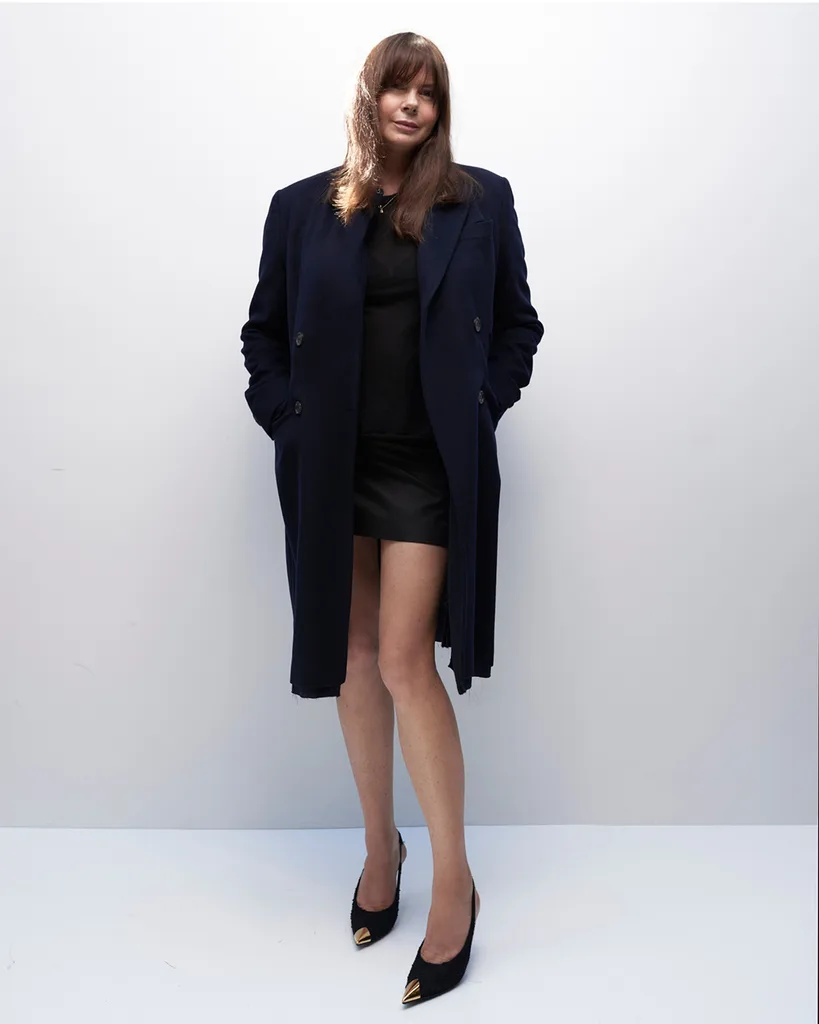
We also shoot more celebrities now. In my early years, it was only models on magazine covers, but now they’re all celebrities, especially on marie claire. It’s a whole other type of styling and it’s not for the faint-hearted.
My Style Evolution
I used to wear everything. I loved, loved, loved fashion so much, and living in London in the ’90s was the best time. I went to all the shows – it was fantastic. You’d wake up and be excited for what you’re going to wear that day to work.
Australia still barely had anything, so it was very special to land in Milan for the shows and have a bit of money to spend – it was so fun. It’s funny seeing all the kids today get excited about the fashion we had back when I was young: the slip dresses, the Adidas Gazelles and the V-neck cashmere jumpers.
My style has definitely changed since having children and getting a bit older. I can’t wear a lot of the things I used to, and I miss them. I don’t like spending a lot of money on clothes anymore, to be honest.
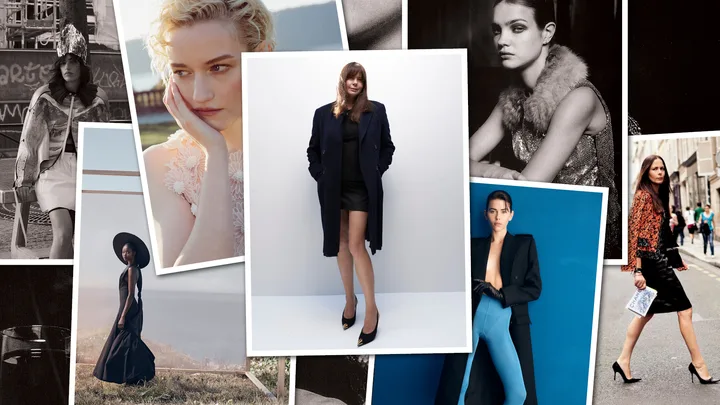
Fashion for me now is more of a uniform, but I’ll update certain things each season. I always love to have a great dress for summer, and I’ll update a shoe or a boot. I wear a lot of denim, so I’ll buy good pieces that last, like Bottega Veneta jeans. I still get really excited about fashion and the designers coming up. I just save my creativity for the model now. That’s where my outlet is.
Best And Worst (And Weirdest)
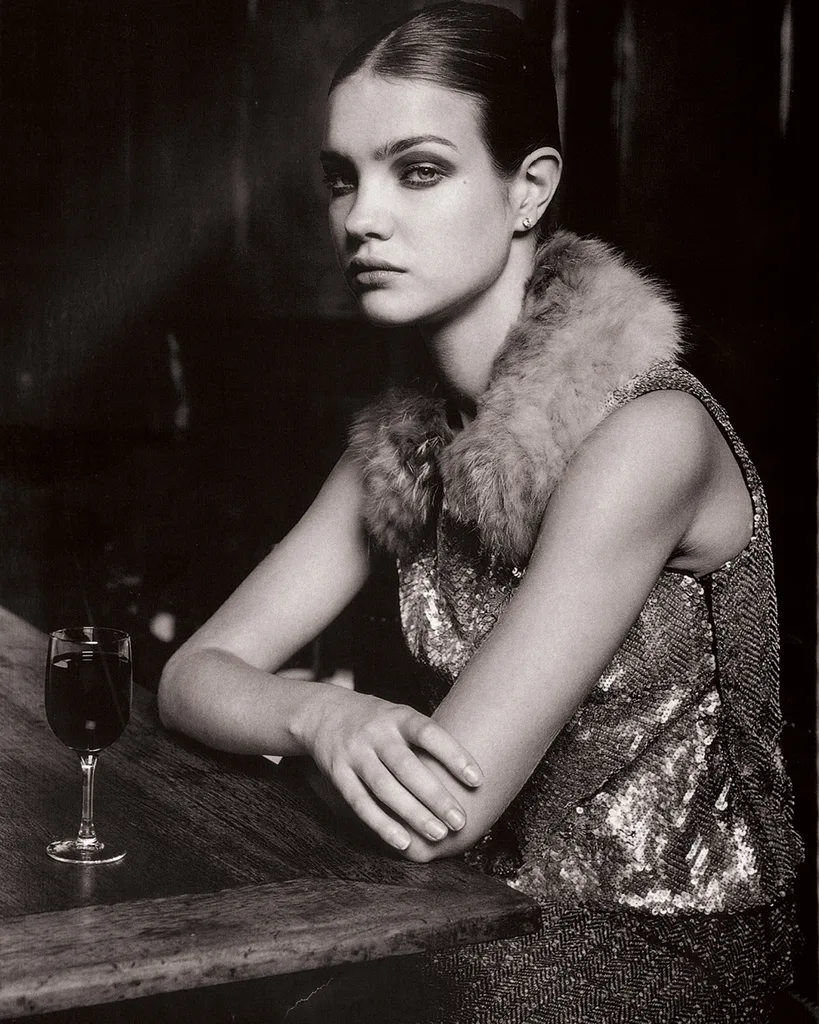
Some of my best memories are of shooting a young Natalia Vodianova in Marseille for marie claire, with photographer Friedemann Hauss. I also shot with him in Cuba, which is another career highlight.
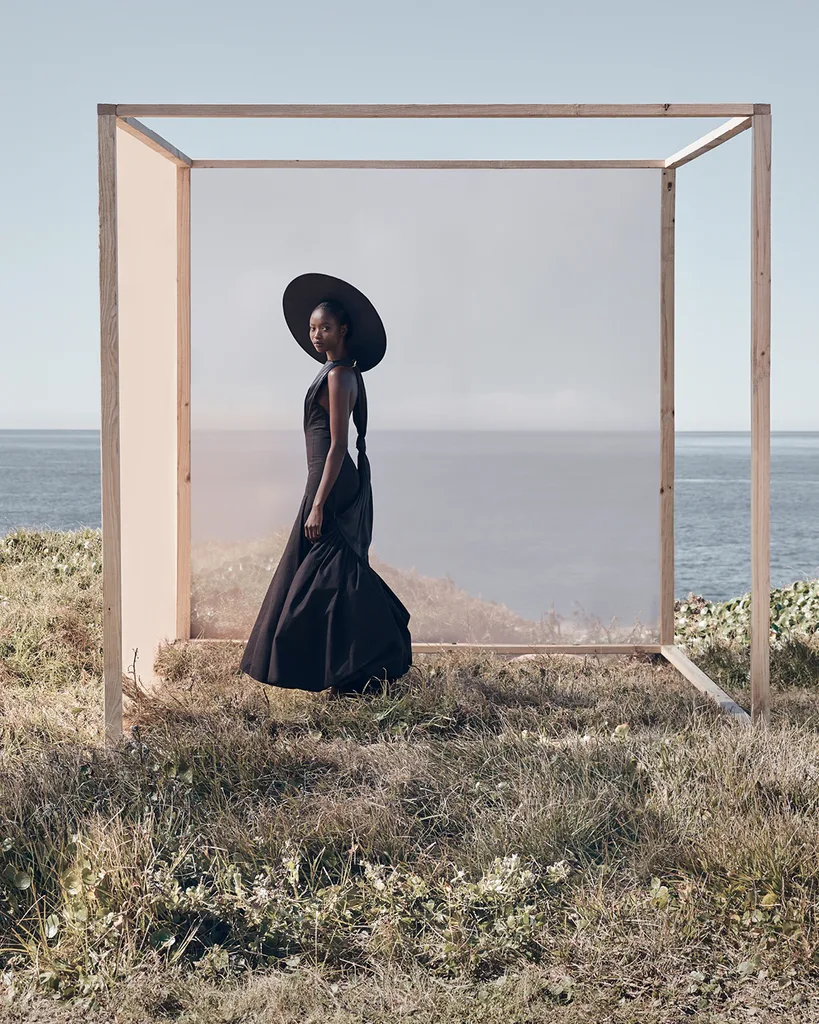
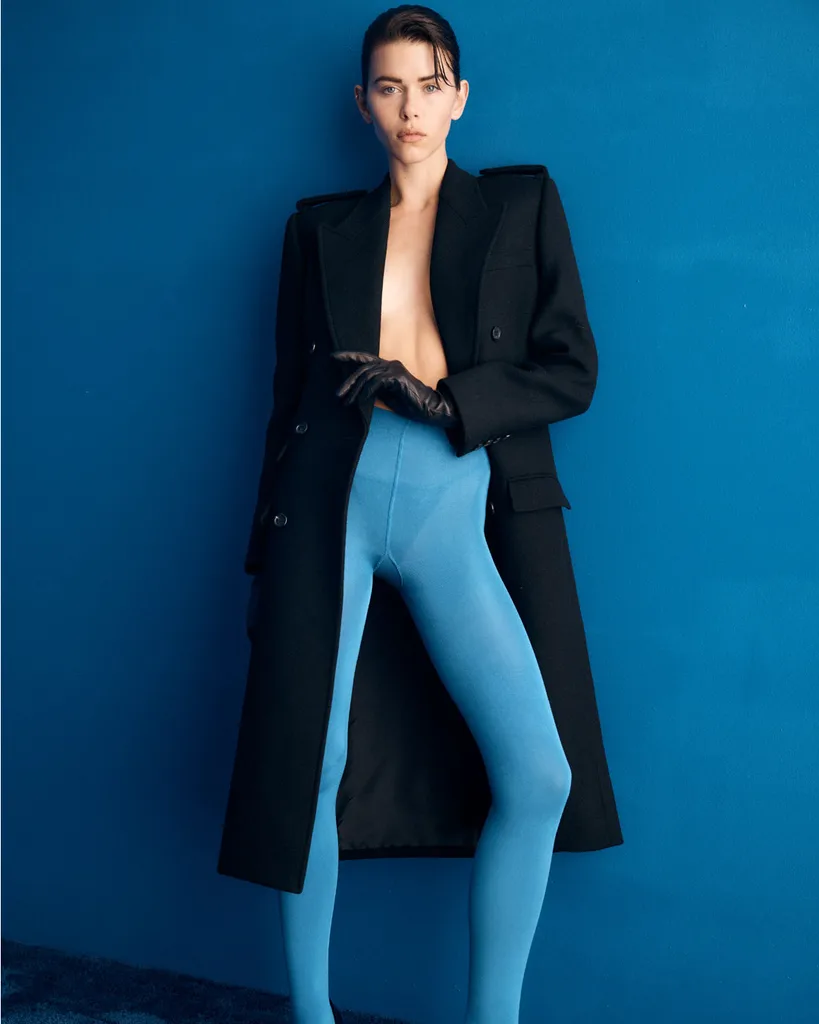
One of my favourite shoots was my first when I came back to marie claire in 2020, with the beautiful model Agi Akur and photographer Nicole Bentley. The thing about being a fashion director is that sometimes you are in the office but you’re often on location, working with different teams and travelling.
It’s a great creative outlet and a lot of fun, so it’s a job that a lot of people would love to have. There’s been some really challenging times though, of course. There have been some disastrous shoots.
The first that comes to mind is one where a very famous model cried all day because her very famous boyfriend was criticising the selfies she’d sent him and was demanding that she be more covered up. We had to all calm her down.
There was also a time when we were in Cusco, in Peru, and the model’s eardrum burst. We were at altitude so she was in so much pain and couldn’t fly to the next location, which was this beautiful town with a monastery.
So we had to pile into a van, instead, and drive across the Andes mountains. People were getting car sick and altitude sick, the model was clutching her ear, screaming in pain. The photographer had left his wife for a socialite, who he had invited on the trip, and they were drinking beers in the back.
I just remember looking out the window thinking, “Oh my god.” I’ll never forget it. Celebrities often have some weird demands, but the strangest was the actor who demanded Aesop Post-Poo Drops be available on set. One of the craziest times was during the pandemic.
At marie claire, we just kept going, kept shooting. Every other magazine had stopped and we had to beg, borrow and steal to get our issues out.
We had to sneak into the office to shoot, and we would have people on different floors – with hairstylists and makeup artists watching on iPads –because they couldn’t all be in the studio at once. On another occasion we went to Sydney’s Cockatoo Island to shoot inside the old gaol.
To get there, we had to sneak onto a boat and literally lie down and hide because there were helicopters circling. But that’s the thing about marie claire: it’s a powerhouse. It just keeps going.”


Related stories
Native ad body.
Native ad body.
Native ad body.