


Women make up just 22 per cent of Australia’s CEOs, according to The Workplace Gender Equality Agency – a percentage that’s increasing, although not fast enough. But with the rise in popularity of programs like Brené Brown’s pioneering Dare To Lead, that could be set to change, as we learn more about what makes a great leader.
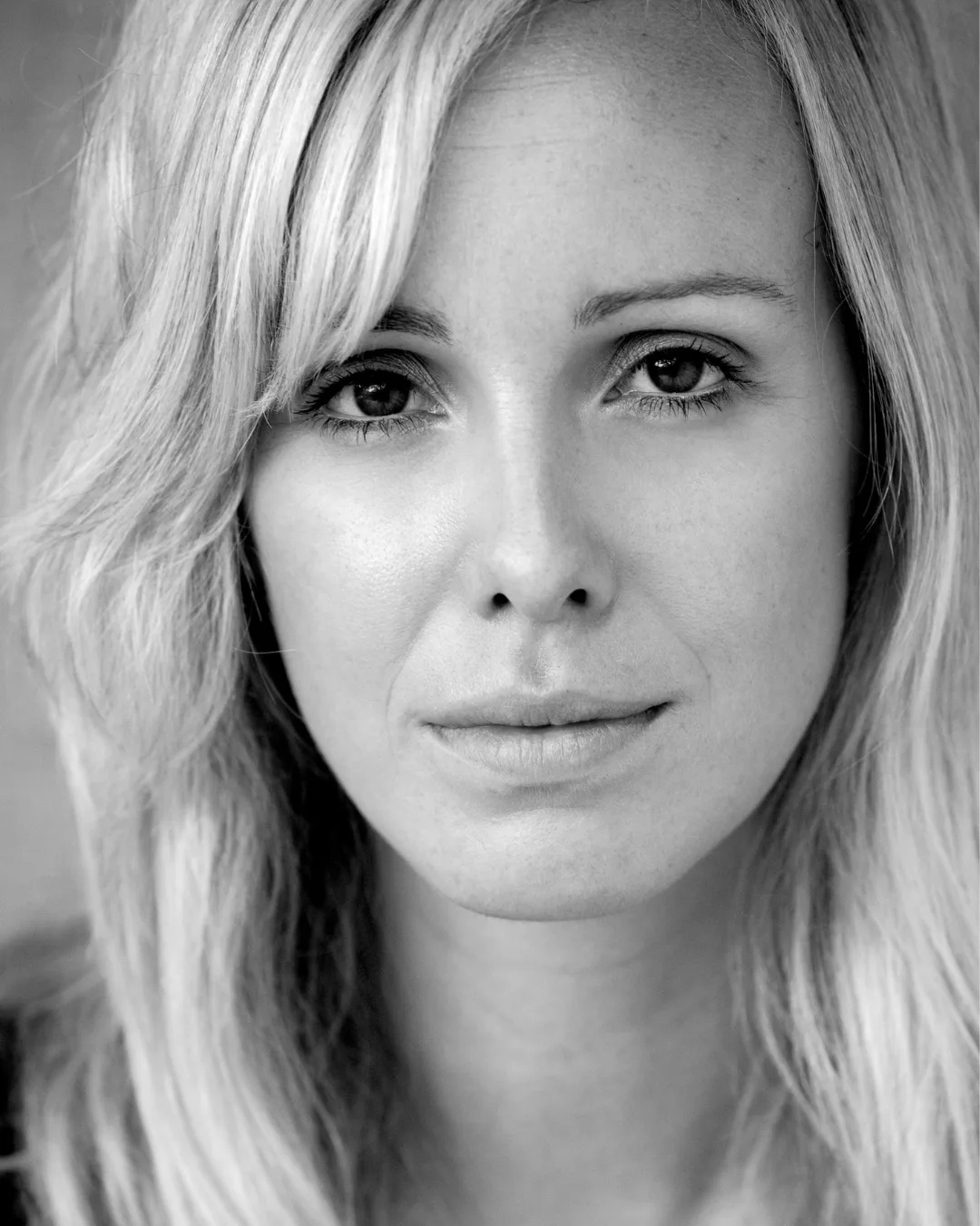
Writer and leadership facilitator Zoe Coyle (pictured) trained under Brené Brown in 2018. As the founder of Pilot Light, a consulting agency dedicated to delivering authentic leadership training, Coyle believes there’s one superpower all of us can access – and it will make us better leaders. Nope, it’s not confidence (and there’s no faking it till you make it here). Quite the opposite, in fact: it’s vulnerability. “Vulnerability is not weakness,” Coyle explains. “The world needs more courageous leaders, but we can’t get to courage without vulnerability coming too.
Vulnerability: The Leadership Superpower We Overlook
In the context of this work, vulnerability is defined as uncertainty, risk and emotional exposure.” Sound a little intimidating? It might be, but it’s a fear worth facing, Coyle says. “It’s vital – a total game changer – to invest the time to understand this concept that so many of us misconstrue as a weakness.
Understanding how to show up, while keeping your armour off, is a leadership superpower. People feel more seen, understood, connected and empowered. That has been true for me, but also for the hundreds and hundreds of people that I’ve taken through this work.” Speaking of fear, Coyle says there’s nothing wrong with a little of that, either. “Like most of us, I always thought it was fear that got in the way of bravery. But Brené’s research teaches us that is not true. The most courageous among us still feel fear, but they don’t let fear drive the car. We drive the car and have fear in the back seat. Bravery is a set of skills that can be learnt, it’s not just something you either have or don’t have.”
“Vulnerability is not weakness”
– Pilot Light founder Zoe Coyle
There’s another skill that Coyle teaches at Pilot Light, and it’s one that’s often attributed to women. “At Pilot Light we call empathy a leadership superpower,” she explains. “The first typical response we get is, ‘I don’t have time to ask how people feel!’ Our response is twofold: you don’t have the time to not know how they feel, and secondly, when the skill of empathy is learnt, it can take only a handful of minutes for people to feel more understood and for the issue at hand to be better understood, thereby saving the manager a significant amount of time down the track.” And while more women are stepping into leadership roles than ever before, there’s a generational shift happening, too.
What The Next Generation Of Workers Really Want
Almost all gen Z and millennial workers say they want purpose-driven work – and they’re not afraid to turn down jobs that don’t align with their values. So, empathy and vulnerability in hand, how can leaders get and keep the best talent? Clarity on your work’s mission is key. “Organisations need to have a well thought-out and clearly articulated purpose so everyone is certain where the plane is flying,” says Coyle. And “learning and development opportunities for employees are vital to attract and retain staff.
This is where the work of Pilot Light and similar companies has been so influential in dramatically improving staff retention and job satisfaction.” And there’s one more non-negotiable: remote working. Although two-thirds of gen Z and millennials say their workplaces have implemented a return to office policy, Coyle says “remote working is here to stay. What needs to evolve is how organisations support their workers to feel connected, and how the organisation operationalises its cultural values.
Increasingly, what we are seeing at Pilot Light is organisations using semi-annual or annual off-sites as an opportunity to deepen and reinforce cultural outcomes, team functionality and connectedness, while supporting and celebrating the many benefits of working remotely.” Flexible, empathetic, purpose-led work? The future looks brighter than ever.
